Online Shopping Vector Infographic Graphics Review
As a brand designer specializing in local commerce and artisanal goods, I approach every new graphic design asset with a critical eye toward practical application. When evaluating the Online Shopping Vector Infographic for potential use in small business branding, my first impression is one of structured clarity meeting modern accessibility. This asset does not scream luxury or rustic handmade charm; instead, it communicates efficiency, transparency, and digital ease. The mood is distinctly functional yet friendly, suggesting a brand personality that values customer experience and clear communication over ornate decoration. For a local business transitioning to e-commerce or a boutique needing to explain a complex service like custom orders or subscription boxes, this template offers a visual shorthand that feels professional without being sterile.
Translating Process Timelines into Customer Trust
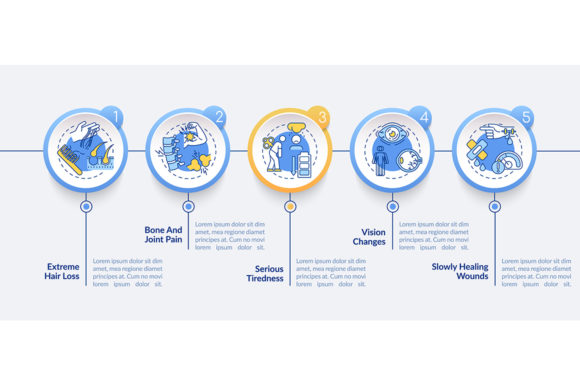
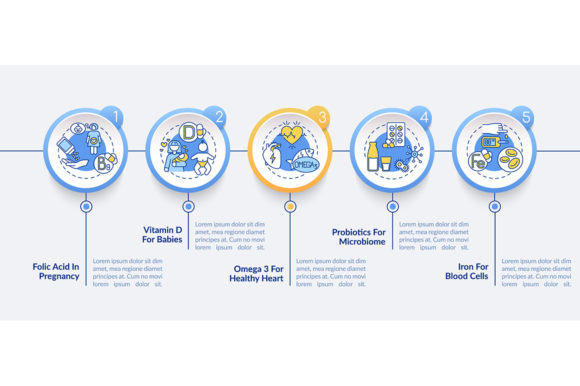
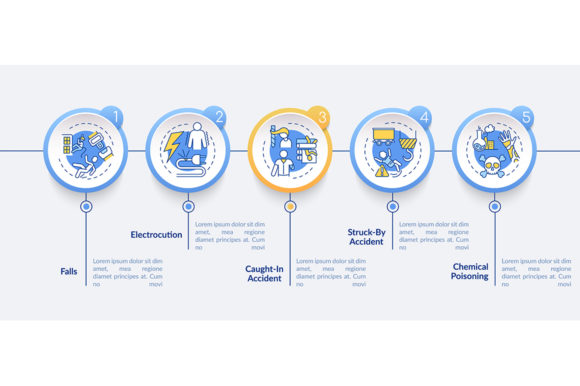
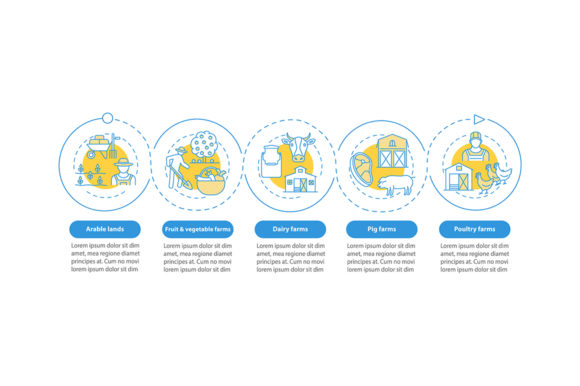
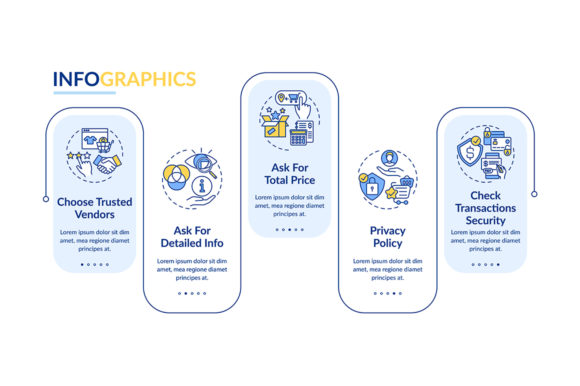
In real-world local business projects, confusion is the enemy of conversion. I recently reviewed this asset while developing marketing visuals for a handmade skincare brand launching a personalized consultation service. The challenge was explaining a five-step customization process without overwhelming the customer with text. The Online Shopping Vector Infographic excels here because its data visualization with 5 steps provides a pre-structured narrative flow. Rather than reinventing the wheel, we utilized the workflow layout with linear icons to map out the journey from skin assessment to final delivery.
This specific application demonstrates how infographics serve as more than just decoration; they are trust-building tools. For food businesses explaining farm-to-table sourcing, florists detailing wedding booking timelines, or candle makers showcasing scent layering, this template transforms abstract processes into tangible expectations. The total price presentation design elements are particularly valuable for service-based local businesses where pricing tiers often cause friction. By integrating cost breakdowns directly into the visual timeline, we reduce anxiety and create a stronger emotional connection through transparency. This level of visual hierarchy supports better product recognition and helps customers feel confident in their purchasing decisions.
Strategic Placement Across Packaging and Digital Channels
Versatility is non-negotiable for small business branding budgets. During my evaluation, I tested the Online Shopping Vector Infographic across multiple touchpoints to see where it truly performs. It shines brightest as an educational tool rather than a primary logo mark. On product packaging, specifically box inserts and thank-you cards, the linear icons work beautifully to guide unboxing experiences or explain care instructions. For a coffee shop selling brewing equipment, these graphics could easily adapt to a countertop display explaining the perfect pour-over method.
Digital applications are equally strong. Social media managers will find the modular nature of this asset ideal for carousel posts on Instagram or LinkedIn. Each step of the process timeline can become an individual slide, creating cohesive social media graphics that drive engagement. Website banners benefit from the horizontal workflow layout, guiding visitors through landing pages with intuitive visual cues. However, designers must be strategic. This asset works best as a supporting player in editorial design and web design, enhancing readability rather than dominating the page. It is perfect for FAQ sections, shipping policy pages, and promotional ads where information density needs to be managed carefully.
Navigating Limitations in Formal and Luxury Contexts
No single graphic design asset fits every scenario, and honest evaluation requires acknowledging limitations. While the Online Shopping Vector Infographic is excellent for clarity, it should be used cautiously in ultra-luxury minimalist branding. High-end jewelry or exclusive fashion labels often rely on negative space and typography rather than illustrative icons to convey value. In these contexts, the explicit nature of infographic elements can sometimes dilute the perceived exclusivity. Similarly, formal corporate branding for legal or financial services may require more bespoke, serious iconography than what a versatile template provides.
Physical constraints also matter. I advise against using detailed infographic elements on very small product labels or crowded packaging surfaces. The linear icons need breathing room to remain legible; shrinking them to fit a 2-inch sticker compromises the visual hierarchy and creates visual noise. Furthermore, avoid placing these graphics in areas reserved for legal information or ingredient lists. The decorative nature of the template should never compete with mandatory compliance text. Low-contrast backgrounds are another pitfall; ensure the vector lines remain crisp and visible against colored paper or textured packaging materials to maintain professional branding standards.
Technical Validation for Commercial Print and Web Use
Before committing any digital product to a client project, rigorous technical testing is essential. My review process for the Online Shopping Vector Infographic included several practical checks relevant to commercial design. First, always test black and white usage. Many local businesses print on kraft paper or use single-color stamps for cost efficiency. If the infographic relies solely on color coding to differentiate steps, it will fail in monochrome production. Ensure the underlying shapes and icons remain distinct without color support.
Vector editability is paramount. Confirm that the ZIP file contains true SVG design files or editable AI/EPS formats, not just flattened PNG design assets. This allows you to adjust stroke weights for large-format posters or simplify details for small business cards. Test the asset beside various typography styles; pair it with a clean sans-serif font for modern tech vibes, a serif font for heritage brands, or a handwritten font for artisanal warmth. Always preview on real product mockups before finalizing. What looks balanced on a screen may appear top-heavy on a curved bottle or folded hang tag.
- Licensing Verification: Before using this for client work or physical product sales, confirm the commercial license terms. Some creative marketplace assets restrict usage for resale items or require attribution.
- Print Quality Check: Inspect anchor points and path smoothness. Jagged vectors look unprofessional when scaled up for trade show banners or window decals.
- Color Mode Compatibility: Convert RGB vectors to CMYK early in the packaging design process to prevent unexpected color shifts in print production.
- Competitor Analysis: Compare the chosen icon style with competitor packaging to ensure your brand identity remains distinct and recognizable.
- File Organization: Separate individual icons from the full timeline chart. Having isolated elements speeds up future social media graphics creation and seasonal campaign updates.
Building Cohesive Brand Identity Through Visual Systems
Ultimately, the value of the Online Shopping Vector Infographic lies in its ability to systematize communication for creative entrepreneurs. Small business branding often suffers from inconsistency because owners juggle too many roles. Having a standardized set of process visuals creates a thread of continuity across all marketing visuals. Whether applied to a Canva template for quick updates or customized in Illustrator for premium packaging, this asset provides a foundational language that customers learn to recognize.
For handmade sellers and boutique owners, this consistency translates directly to improved customer trust and better shelf appeal. When a shopper sees the same clear, helpful visual style on your website, your product label, and your market booth signage, they perceive a mature, reliable business. The Online Shopping Vector Infographic is not just a collection of pretty pictures; it is a strategic component of modern commercial design. By treating it as a flexible system rather than a static illustration, designers can help local businesses communicate complex value propositions with elegance and efficiency, turning casual browsers into loyal advocates through the power of clear, intentional visual storytelling.