Quality Costs Vector Infographic: Graphics for Crafters
As a handmade business owner who has spent years navigating the balance between creative passion and profitable pricing, finding the right visual tools is just as important as selecting the right vinyl or cardstock. When I first opened the Quality Costs Vector Infographic file, my immediate reaction was one of professional relief. This isn't a cutesy, whimsical clipart set; it is a structured, clean, and highly functional graphic design asset that speaks directly to the organized maker. The mood is undeniably premium and educational. It suggests a seller who takes their craft seriously, appealing to B2B clients, workshop attendees, or customers looking for high-end custom services rather than quick impulse buys. For those of us running an Etsy shop or preparing for a craft fair where we need to explain our value, this template offers a sophisticated aesthetic that bridges the gap between artistic creativity and business professionalism.
Elevating Handmade Business Branding and Education
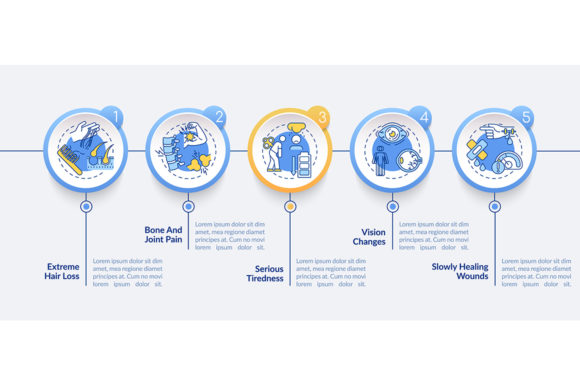
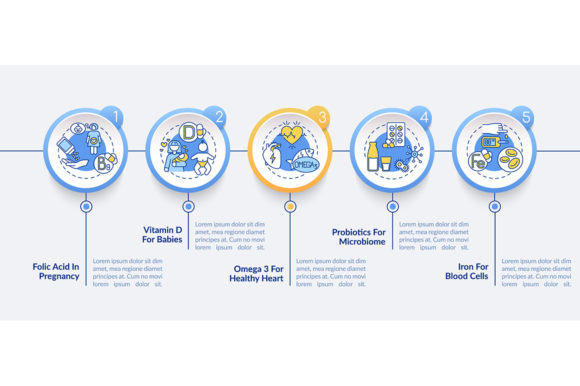
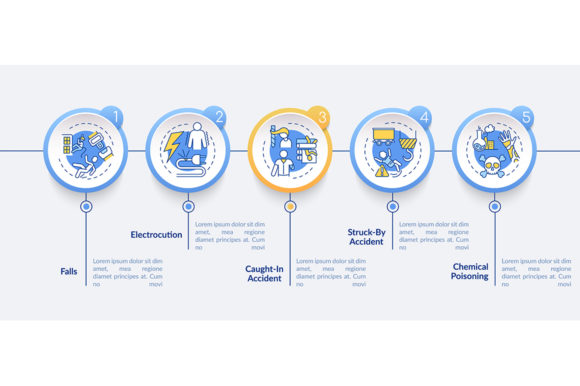
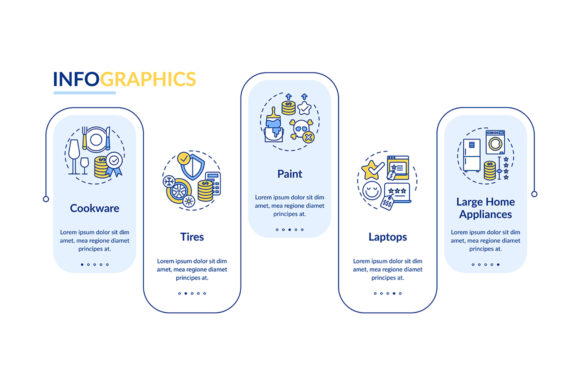
In the world of small business branding, we often struggle to communicate why our handmade products cost what they do without sounding defensive. This is where the Quality Costs Vector Infographic truly shines as a practical tool. The data visualization with 5 steps provides a ready-made framework for creating "Price Breakdown" posts on Instagram or educational inserts for packaging. I can easily see myself using the process timeline chart to create a printable design that explains the journey of a custom order, from consultation to final delivery. This transforms a simple transaction into a transparent relationship with the buyer.
For creative entrepreneurs selling digital products or hosting workshops, this asset is invaluable. You can adapt the workflow layout with linear icons to create course materials, e-book layouts, or presentation slides for teaching other makers. Because the design elements include references to paint, laptops, and home appliances, it feels versatile enough for various niches, whether you are a sublimation designer, a paper crafter, or a digital artist. It allows you to present complex information about quality control or production timelines in a visually digestible format that maintains your brand’s polished look.
Real-World Applications for Cricut and Print Projects
While infographics are typically associated with digital screens, this graphic design asset has surprising utility for physical crafting when used correctly. As a Cricut user, I appreciate that the linear icons are distinct and separate, making them potential candidates for vinyl cutting if simplified. However, the true power here lies in print-on-demand and sublimation design. Imagine creating a branded tote bag for a vendor booth that features a stylized version of this timeline, showcasing your commitment to quality. Or, consider using the PNG design files to create professional thank-you cards that double as business education tools for your customers.
For sticker design and planner enthusiasts, the individual icons within the Quality Costs Vector Infographic can be isolated to create functional dashboard stickers. A "Quality Check" icon or a "Process Step" marker adds a unique, business-focused element to productivity planners that generic cute stickers simply cannot provide. If you are creating tumbler wraps or mug designs for corporate gifts or employee appreciation, this template offers a way to incorporate meaningful data or company values into the merchandise without it looking like a boring spreadsheet. It turns dry information into an engaging illustration that fits seamlessly on curved surfaces and apparel.
Where This Asset Performs Best in Your Shop
Based on my testing and experience with similar design assets, the Quality Costs Vector Infographic performs exceptionally well in specific scenarios. It is ideal for large-format printing, such as posters for a studio wall or banners for a market booth, because the vector nature ensures crisp lines at any size. It is also perfect for digital product mockups; if you sell editable templates or business coaching, using this infographic in your listing images instantly communicates authority and structure.
- Printable Wall Art: Create educational decor for home offices or craft rooms that outlines creative workflows.
- Social Media Carousels: Use the 5-step layout to break down pricing or quality standards across multiple slides.
- Packaging Inserts: Print a mini-version on cardstock to include in orders, explaining the care and time invested in the product.
- Course Materials: Enhance PDF guides or workbooks with professional charts that retain student attention.
- Corporate Merchandise: Design t-shirt graphics or laptop skins for teams that value process and precision.
Navigating Technical Limitations for Vinyl and Small Crafts
Honesty is key in crafting reviews, and it is vital to note where this asset requires caution. The Quality Costs Vector Infographic is primarily designed for presentation and print, not necessarily for intricate weeding. The linear icons, while clean, may have details that are too fine for standard adhesive vinyl on small items like gift tags or pen wraps. If you plan to use this for a Silhouette project involving cut files, you must test the SVG lines rigorously. I recommend simplifying the nodes and thickening stroke widths before sending it to your cutting mat.
Additionally, be mindful of contrast when using this for sublimation design on dark fabrics. Linear icons often rely on thin strokes which can disappear against black or navy backgrounds unless you add a backing layer or increase the line weight significantly. For sticker design, ensure that the text elements within the infographic remain legible when scaled down to 2-inch sizes. Crowded compositions are the enemy of small-scale crafting; you may need to deconstruct the template and use only one or two sections rather than the full chart to maintain readability and visual impact on smaller handmade products.
Essential Crafter Notes Before You Sell
Before incorporating this graphic design asset into your commercial design lineup, run through a practical checklist to protect your handmade business reputation. First, always verify the commercial license. Ensure you are permitted to use the template for client work or finished goods sold on platforms like Etsy or Amazon Handmade. Next, check the resolution of the PNG design files; for sublimation and high-quality printing, you need at least 300 DPI to avoid pixelation on tumbler wraps or apparel.
Typography pairing is another critical consideration. The clean, structural nature of this infographic pairs best with modern sans-serif fonts or elegant serifs. Avoid overly distressed or playful handwritten fonts, as they can clash with the professional data visualization style. Always place your adapted designs on real product mockups before listing them. Seeing the Quality Costs Vector Infographic elements on a realistic shirt or paper texture reveals spacing issues that a flat screen hides. Finally, simplify the layout for your specific niche. Just because the template includes appliances doesn't mean you have to keep them; swap them for scissors, needles, or tablets to make the illustration resonate authentically with your specific target audience. By treating this asset as a flexible foundation rather than a rigid rulebook, you can create unique, high-value products that stand out in the creative marketplace.