Strategic Factors Vector Infographic: An Embroidery Review
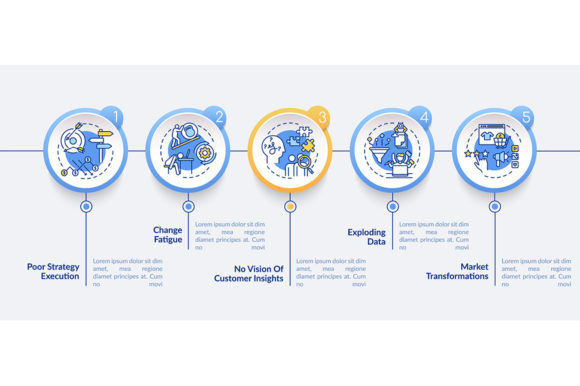
As a professional embroidery designer who constantly evaluates digital assets for stitchability, my first look at the Strategic Factors Vector Infographic was less about its data visualization capabilities and more about its structural integrity as a potential machine embroidery design. While this asset is marketed as a template for client-centric presentation design elements and process timeline charts, I immediately began assessing how these linear icons and five-step workflow layouts would translate from screen to fabric. For Etsy sellers, apparel decorators, and makers of commercial embroidery projects, understanding the gap between vector graphics and tangible stitched goods is critical. This review breaks down exactly how this infographic style performs when adapted for real-world handmade products.
Translating Linear Workflow Charts to Thread
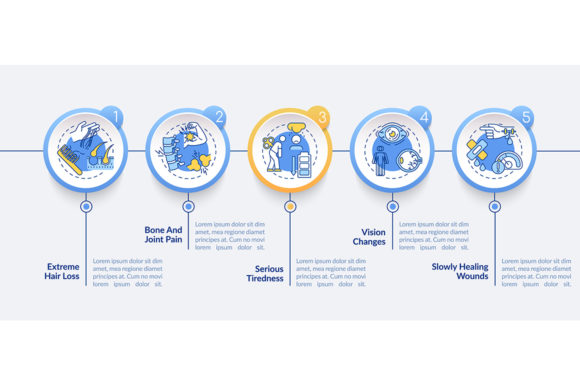
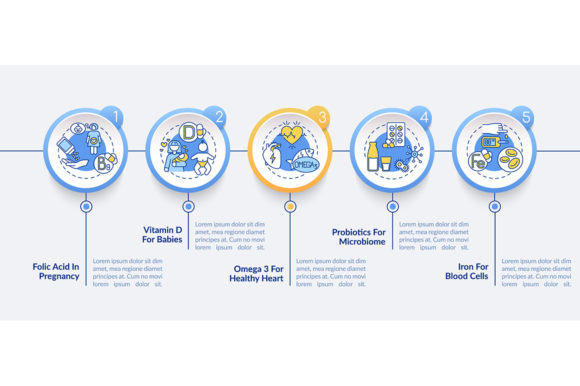
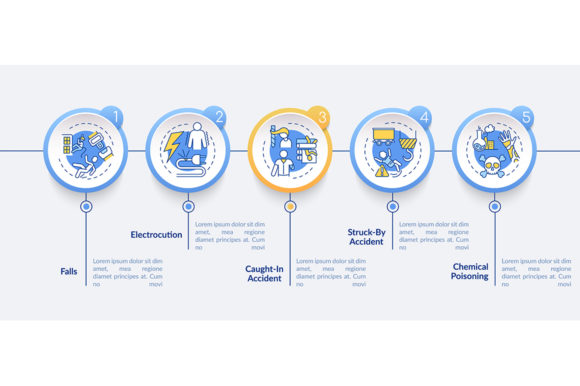
The visual personality of the Strategic Factors Vector Infographic is clean, modern, and highly structured. It relies on a five-step process timeline chart that suggests order and professionalism. In a digital format, this communicates efficiency. However, in an embroidery project, those connecting lines and linear icons present specific challenges. When I evaluate this for custom apparel or boutique branding, I am looking at whether the running stitch connectors can hold up without breaking or causing fabric puckering.
For a recent client request involving corporate merchandise, specifically a structured tote bag design intended for a business retreat, this aesthetic was perfect conceptually. The goal was to create a personalized gift that doubled as a brand asset. The infographic’s layout offered a sophisticated alternative to standard logos. However, because the original asset is a graphic, it required significant digitizing intervention. The linear icons needed to be converted into either satin stitch columns or fill stitch areas depending on their width. If you are planning to use this for sweatshirt embroidery or aprons, you must ensure the digitizer understands that vector lines do not automatically equal stable stitches. The mood is undeniably professional, but achieving that crispness requires verifying stitch density before the needle ever touches the fabric.
Best Applications for Business and Craft Makers
This design style shines brightest when used for items where clarity and readability are paramount. Based on my testing and experience with similar workflow layouts, the Strategic Factors Vector Infographic adapts best to stable, medium-weight substrates. Here is where I see the most value for creative entrepreneurs:
- Corporate Tote Bags and Aprons: The linear nature of the five-step chart fits beautifully on the flat panels of canvas totes or bib-style aprons. These items provide the stability needed for the horizontal flow of the infographic.
- Pillow Covers and Nursery Decor: For baby embroidery or nursery themes focusing on milestones (a variation of a process timeline), this layout works well on cotton twill or linen. The clean lines complement modern nursery aesthetics without looking cluttered.
- Embroidered Patches: Because the design uses distinct steps and icons, it segments naturally into patch formats. This is ideal for small shop products or scout-style achievement badges where each step represents a skill level.
- Digital Product Previews: Even if you aren't stitching the full chart, using the vector file to create printable mockups for your Etsy listings helps customers visualize the final embroidered patch or custom apparel before they buy.
In these contexts, the design enhances product value by communicating a narrative. It transforms a simple textile into a storytelling medium, which significantly boosts buyer engagement and perceived professionalism.
Critical Limitations and Fabric Warnings
Despite its versatility, the Strategic Factors Vector Infographic is not universally forgiving. As someone who has had to fix failed commercial embroidery jobs, I urge caution when applying this detailed workflow layout to challenging materials. The intricate connections between the five steps require precision that certain fabrics simply cannot support.
Avoid using this complex infographic on stretchy knits or thin performance wear unless you have extensive stabilization expertise. The tension required to stitch linear connectors often distorts jersey fabrics, ruining the alignment of the timeline chart. Similarly, textured fabrics like terry cloth or fleece can swallow the finer details of the linear icons. If you are working on holiday embroidery involving plush blankets or towels, you may need to simplify the design or add a knockdown stitch layer beneath the artwork to maintain clarity.
Dark fabrics also pose a risk. Vector infographics often rely on negative space and fine lines that disappear against navy or black backgrounds. Unless you plan to use a white underlay or applique design technique to create contrast, the strategic factors may become illegible. Furthermore, be wary of tiny lettering within the five steps. Text smaller than 4mm rarely digitizes cleanly as satin stitch; it often becomes a thread nest. Always check the minimum text size in your embroidery file before committing to a production run.
Designer Notes for Successful Execution
To successfully integrate the Strategic Factors Vector Infographic into your inventory of design assets, treat the preparation phase as seriously as the stitching phase. Whether you are digitizing this yourself or hiring a professional, adhere to these practical guidelines:
- Verify Hoop Size Compatibility: A five-step horizontal timeline is wide. Confirm that the aspect ratio fits your largest hoop without requiring excessive resizing, which can distort stitch angles. If it doesn't fit, consider breaking the infographic into two separate hoopings or rearranging the workflow layout vertically.
- Test Stitch Density: Run a test sew-out on scrap fabric identical to your finished product. Check if the connecting lines are too dense (causing stiffness) or too sparse (causing gaps). Adjust the stitch density based on the fabric texture.
- Evaluate Thread Color Contrast: Print a black and white version of the design to simulate how it looks without color reliance. This ensures the hierarchy of the strategic factors remains clear even in monochromatic embroidery.
- Stabilizer Selection is Non-Negotiable: For this type of detailed graphic, use a high-quality cutaway stabilizer for apparel and a heavy tear-away for stable goods like caps or bags. Floating the fabric without adequate backing will result in misregistration of the timeline elements.
- Licensing and Commercial Use: Before selling any finished product featuring this design, confirm the licensing terms. Just because it is a vector template does not guarantee it is cleared for commercial embroidery resale. Protect your craft business by verifying usage rights.
Final Verdict on Visual Appeal and Value
The Strategic Factors Vector Infographic offers a unique opportunity for embroidery designers to move beyond generic motifs and offer data-driven, meaningful customization. When executed correctly, it elevates a handmade product from a simple craft to a bespoke communication tool. The key lies in respecting the technical limitations of thread while leveraging the strong visual structure of the original graphic.
For the Etsy seller or boutique owner, this design signals competence and attention to detail. Customers trust makers who can render complex information clearly on fabric. By carefully managing stitch types, fabric choices, and stabilization, you can turn this digital template into a high-value physical asset. Always remember that in embroidery, the file is merely a suggestion; the fabric dictates the reality. Test thoroughly, respect the medium, and let the strategic clarity of the design enhance your brand’s professional reputation.