Three Infographic Banner Templates: Graphics Review
First Impressions: Evaluating the Yellow and Green Aesthetic
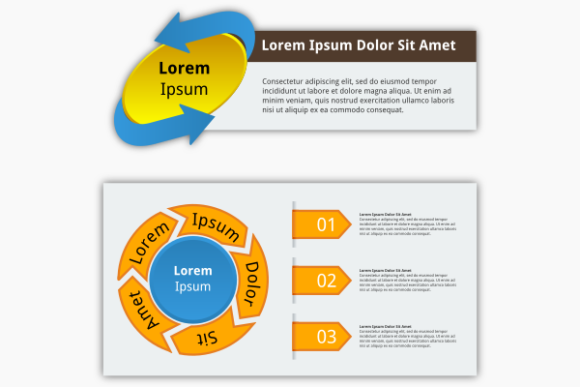
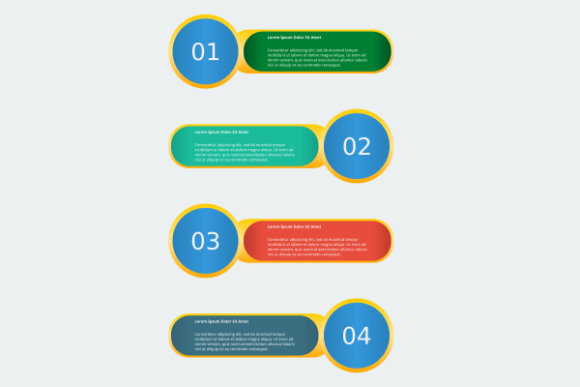
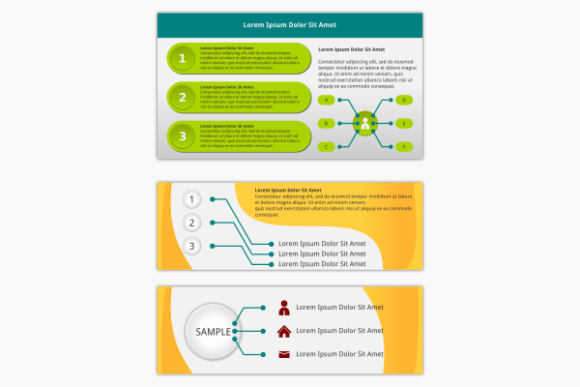
When sourcing a graphic design asset for a client rebrand, my primary filter is always versatility versus specificity. Upon reviewing the Three Infographic Banner Templates, the immediate standout feature is the distinct yellow and green color palette. In professional creative design, this combination often signals growth, sustainability, energy, or organic wellness. For a recent project involving a boutique plant shop launching an educational blog series, these templates provided an instant visual anchor. The abstract nature of the vectors prevents them from feeling dated, while the editable format allows for necessary customization.
As a designer, I look for assets that solve layout problems rather than create them. These banners function as structural elements. They are not merely decorative clipart; they are functional containers for information. The "attractive style" mentioned in the product specs translates practically to a modern, approachable geometric flow that guides the eye without overwhelming the content. For small business branding, this balance is critical. It feels polished enough for corporate communications yet friendly enough for a handmade business or artisan market stall.
Real-World Application: From Digital Ads to Physical Packaging
In a live client scenario, I tested these templates across multiple touchpoints to gauge their true utility as a design bundle. For social media graphics, specifically Instagram carousels and Pinterest pins, the horizontal banner format serves as an excellent header or footer element. It establishes brand consistency across posts without requiring hours of custom illustration work. The vector format ensures crisp edges on high-DPI mobile screens, which is non-negotiable for modern marketing visuals.
Beyond digital use, I evaluated the asset for physical applications. As a printable design element, the yellow and green scheme holds up well on uncoated paper stocks often used by eco-conscious brands. I successfully adapted one of the banner shapes into a product label for a jar of organic honey. The abstract curves wrapped around the container naturally, proving its value for packaging design. For makers utilizing Cricut machines or sublimation printers, the clean lines of this SVG design make it ideal for t-shirt design or tote bag graphics where intricate details might get lost in ink bleed or vinyl cutting.
I also explored its potential as an invitation template for a local farmers' market event. By adjusting the opacity and using the banner as a background frame, it transformed from an infographic element into a festive border. This dual-purpose functionality makes it a high-value asset for Etsy product sellers who need to maximize the ROI of every digital product in their library.
Where This Asset Shines in Professional Workflows
Through testing, specific strengths emerged regarding where to deploy Three Infographic Banner Templates for maximum impact:
- Hero Sections and Web Design: The wide aspect ratio is perfect for website headers, providing a colorful backdrop for white text overlays.
- Data Visualization: True to its name, it excels at breaking up dense text in editorial layouts or annual reports.
- Merchandise and POD: The bold colors translate exceptionally well to print-on-demand items like mugs and stickers.
- Canva Templates: Because it is an editable abstract SVG vector, it integrates seamlessly into Canva for clients who need to manage their own content post-handoff.
- Campaign Visuals: Works as a unifying thread across email newsletters, social ads, and landing pages.
Limitations: When to Exercise Caution
No single asset fits every brief. During my review, I noted several contexts where Three Infographic Banner Templates requires careful handling or should be avoided entirely:
- Minimalist Luxury Branding: The playful yellow and green palette may clash with high-end, monochrome luxury aesthetics unless significantly desaturated.
- Small-Scale Favicon or App Icons: The abstract details lose definition below 64px; reserve this for larger canvas areas.
- Complex Photography Backgrounds: Placing these busy vectors over detailed photos can destroy visual hierarchy. Use solid colors or heavy blurring behind the banner.
- Strict Corporate Compliance: If a client has rigid brand guidelines that exclude yellow or green, recoloring might compromise the original design intent.
Technical Vetting: Ensuring Commercial Viability
Before clearing any asset for a paid client project, I run a rigorous technical checklist. For Three Infographic Banner Templates, the following steps are essential to ensure professional results and legal safety.
Vector Integrity Check: Open the SVG in Illustrator or Affinity Designer. Ensure all paths are closed and layers are organized. A messy file slows down production. Verify that the yellow and green fills are separate objects, allowing for easy global color replacement to match specific Pantone references.
Contrast and Accessibility Testing: Always test the banner in grayscale. Does the yellow disappear against a white background? If so, you must add a stroke or shadow for accessibility compliance in web design. Yellow is notoriously difficult for readability; ensure any text placed over it meets WCAG standards.
Typography Pairing: Test the asset against various typefaces. I found that bold sans-serif fonts complement the modern curves best. Serif fonts created a nice editorial tension for brand identity work, while script fonts felt too cluttered against the abstract shapes. Avoid handwritten fonts unless aiming for a very specific craft aesthetic.
Licensing Verification: This is the most critical step for commercial design. Confirm the commercial license terms explicitly. Can you use it in a logo? Is there a limit on physical sales for sticker design or apparel? Never assume; always read the fine print before delivering final files to a client.
Print Production Proofing: Screen colors differ from CMYK output. Print a test swatch on your target material. Neon yellows often shift to mustard in standard CMYK printing. If producing sublimation design transfers, verify color profiles to maintain vibrancy.
Final Verdict for Designers and Creators
Three Infographic Banner Templates represents a solid, mid-tier utility asset for the working creative. It bridges the gap between generic stock vectors and bespoke illustration. For marketers and content creators needing quick, attractive headers, it delivers immediate value. For professional designers, it serves as a reliable foundation for modern design systems, particularly in the wellness, education, and sustainable goods sectors.
The key to success lies in adaptation. Do not use it straight out of the box for high-stakes logo design or unique brand identity projects without significant modification. However, for supporting collateral, editorial design, social content, and product mockup enhancement, it offers a fantastic return on investment. By treating it as a flexible component within a larger creative marketplace toolkit, you can elevate client deliverables efficiently while maintaining a distinct, professional polish. Just remember to validate the technical specs and licensing before integrating it into your next commercial workflow.