Wildlife Conservation Vector Infographic: A Versatile Graphics Tool
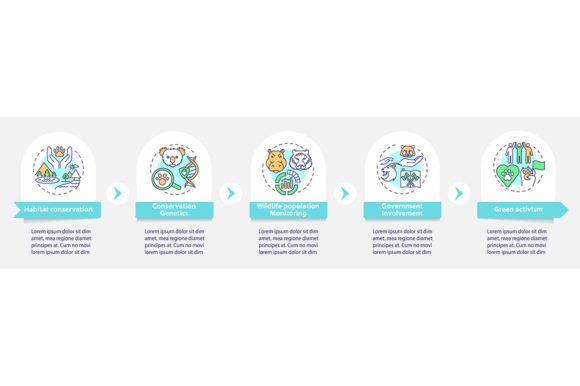
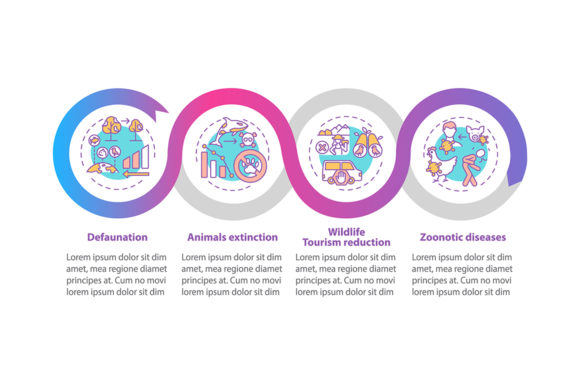
As a seasoned crafter and small business owner, I was immediately drawn to the Wildlife Conservation Vector Infographic. This graphic design asset not only captures the essence of environmental awareness but also offers a versatile tool for creating a wide range of handmade products. The infographic's clean, linear icons and process timeline chart give it a modern, professional look that can appeal to a broad audience, from eco-conscious customers to those who appreciate minimalist design.
A First Look at the Wildlife Conservation Vector Infographic
The first impression of the Wildlife Conservation Vector Infographic is one of clarity and purpose. The design elements are well-organized, making it easy to understand the 4-step process and the overall message of wildlife conservation. The mood it creates is both informative and inspiring, suggesting a style that is both elegant and educational. This makes it ideal for products aimed at environmentally aware customers or those looking for a meaningful gift.
Ideal for a Variety of Handmade Products
The Wildlife Conservation Vector Infographic is perfect for a wide array of crafting projects. Here’s how you can use it:
- Cricut and Silhouette Projects: The clean lines and simple shapes make it ideal for cutting out vinyl decals, heat transfer vinyl (HTV) designs, and even paper crafts. It can be used to create custom mugs, t-shirts, and tote bags with a strong, clear message.
- Sticker Design: The linear icons and clear text can be resized and used for planner stickers, laptop decals, and more. The SVG and PNG formats ensure that the details remain crisp and clean, even when scaled down.
- Printable Designs: The infographic can be printed on cardstock for greeting cards, thank-you notes, and even as part of a larger printable wall art collection. The high-resolution PNG files are perfect for sublimation printing on mugs, coasters, and other household items.
- Seasonal Craft Bundles: Incorporate the Wildlife Conservation Vector Infographic into seasonal collections, especially for Earth Day or other environmental awareness events. It can add a unique, educational touch to your product line.
Where to Use It Carefully
While the Wildlife Conservation Vector Infographic is versatile, there are some areas where it should be used with caution:
- Very Small Cutting Details: Some of the finer details may not cut cleanly in very small sizes, so test the SVG file on scrap material before using it for detailed projects like small stickers or intricate vinyl cuts.
- Thin Lines and Low-Contrast Colors: The infographic uses a lot of thin lines and subtle colors, which might not show up well on dark backgrounds or in low-contrast settings. Preview the PNG transparency and test the colors on different materials to ensure they stand out.
- Layered Vinyl Projects: The clean, linear design works best with single-layer vinyl. If you plan to layer multiple colors, consider simplifying the layout to avoid clutter and ensure readability.
Practical Tips for Crafters and Business Owners
Here are some practical tips to help you get the most out of the Wildlife Conservation Vector Infographic:
- Test the File Before Selling: Always test the SVG and PNG files on your Cricut or Silhouette machine and on different print media to ensure the quality and compatibility.
- Check SVG Cleanliness: Inspect the SVG lines for any stray points or unnecessary nodes. A clean SVG file will cut more smoothly and reduce wasted material.
- Preview PNG Transparency: Make sure the PNG files have a transparent background and that the transparency is consistent across all elements.
- Confirm Resolution for Sublimation: Check that the PNG files are at least 300 DPI for sublimation printing. Lower resolutions can result in blurry prints.
- Test Colors Before Printing: Print a color test sheet to see how the colors appear on different materials. Adjust the colors if needed to ensure they look vibrant and true to the original design.
- Place on Real Mockups: Use the infographic on real product mockups to visualize how it will look on mugs, t-shirts, and other items. This helps in making adjustments and ensuring the design fits well.
- Resize for Different Products: Resize the infographic to fit various product sizes. For example, a mug design might need to be smaller than a t-shirt design.
- Simplify the Layout if Needed: If the infographic feels too busy for a particular project, simplify the layout by removing or rearranging elements to keep it clean and readable.
- Font Pairing: Pair the infographic with a complementary font. Serif fonts can add a classic touch, while sans serif fonts keep it modern. Script or handwritten fonts can add a personal, creative flair.
- Confirm Commercial Licensing: Always check the commercial licensing terms before using the Wildlife Conservation Vector Infographic for customer orders or handmade business products. Ensure you have the right to use it commercially.
Final Thoughts
The Wildlife Conservation Vector Infographic is a valuable addition to any crafter's toolkit. Its clean, modern design and clear, educational message make it a great choice for a wide range of handmade products. Whether you’re creating custom mugs, t-shirts, or printable designs, this infographic can help you deliver a meaningful and visually appealing product. Just remember to test and adjust as needed to ensure the best results. Happy crafting!