Workplace Safety Elements Infographic Graphics Review
As a handmade business owner who frequently designs for corporate clients and small business branding, finding professional yet craft-friendly assets is a constant challenge. When I first opened the Workplace Safety Elements Infographic, my immediate impression was one of clean, structured utility. Unlike the whimsical or overly decorative clipart that floods many creative marketplaces, this graphic design asset feels distinctly premium and organized. The mood is authoritative but accessible, suggesting a modern industrial aesthetic that appeals to B2B buyers, safety trainers, and workshop organizers. For an Etsy seller or DIY creator targeting professional niches, this workplace safety elements vector infographic template offers a polished look that avoids the amateurish feel of generic freebies. It strikes a balance between technical precision and visual engagement, making it ideal for customers who need serious content presented in an approachable way.
Real-World Applications for Cricut and Print Projects
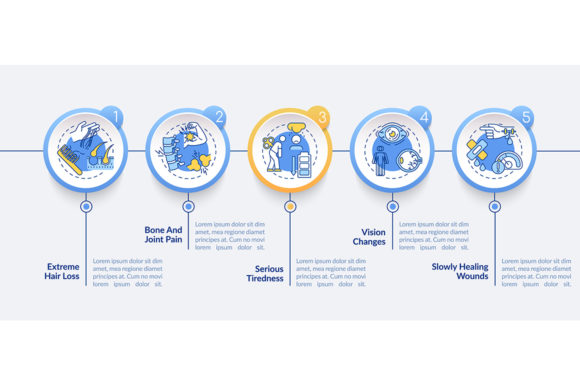
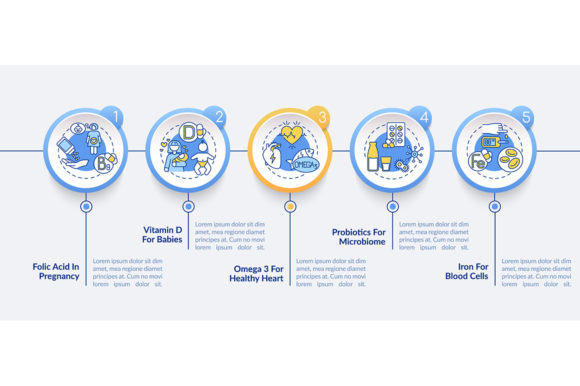
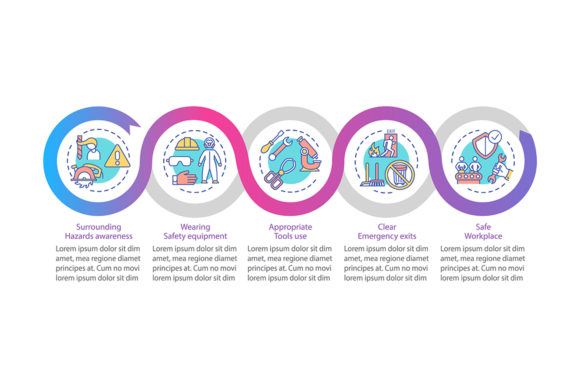
In my own studio, I tested this asset across multiple mediums to see how it translates from screen to physical product. The data visualization with 5 steps is particularly versatile for educational merchandise. For a recent client order involving safety orientation kits, I used the process timeline chart to create custom vinyl decals for training binders. Because the workflow layout with linear icons uses consistent stroke weights, the SVG design cut beautifully on my Cricut Maker without requiring extensive node editing. This is crucial when you are batching fifty units and cannot afford weeding nightmares.
Beyond vinyl, this asset shines as a sublimation design for corporate swag. I applied the wearing safety equipment presentation design elements to white ceramic mugs and aluminum tumblers. The linear style of the icons ensures they remain legible even when wrapped around a curved tumbler surface. For printable design enthusiasts, the infographic serves as an excellent foundation for laminated safety cards or workshop handouts. I have also seen great potential for sticker design; by isolating individual icons from the main composition, you can create cohesive planner stickers or laptop decals that appeal to engineers, nurses, and factory workers looking to personalize their gear while maintaining professional relevance.
Where This Asset Performs Best in Your Shop
Through testing, I identified specific scenarios where this graphic design asset truly excels. It is strongest when used for:
- Large Format Signage: The vector nature allows for scaling up to poster size for workshop walls without pixelation, perfect for print-on-demand sellers offering digital downloads.
- Educational Apparel: T-shirt design for safety teams benefits from the clear iconography, which reads well from a distance during site inspections or team meetings.
- Digital Products: As a base for editable Canva templates or PowerPoint slides sold on Etsy, the structured layout saves buyers hours of formatting time.
- Corporate Gifting: Tote bags and gift tags featuring these safety elements add a thoughtful, industry-specific touch to employee appreciation packages.
- Small Business Branding: Service-based businesses like contractors or cleaners can adapt the workflow layout to explain their own safety protocols on websites or brochures.
The strength here lies in the clarity of the illustration. In the world of handmade products, niche specificity sells. A generic "safety" graphic might get lost, but this detailed infographic speaks directly to professionals who value accuracy and organization.
Technical Limitations and Crafting Cautions
Honesty is vital in any product review, and there are areas where you must exercise caution. While the Workplace Safety Elements Infographic is robust, its intricate nature demands respect for material limitations. The linear icons, while elegant, contain thin lines that may not survive on textured fabrics or low-quality vinyl. If you are planning a layered vinyl project, be aware that the tight spacing in the data visualization sections could lead to lifting edges over time. I recommend avoiding this asset for very small sticker sizes under two inches; the details simply become muddy at that scale.
Additionally, consider contrast carefully. Linear graphics rely heavily on background color to define their shape. On dark garments, you may need to add a solid backing layer or switch to a knockout text technique to maintain readability. For sublimation design, always test your color profile first; what looks like a vibrant safety yellow on screen can sometimes print too pale on polyester blends. Finally, if you intend to use the full process timeline chart on a mug, ensure you distort the image correctly to compensate for curvature, otherwise the straight lines will appear bowed to the viewer.
Essential Workflow Tips for Handmade Sellers
To get the most commercial value from this design bundle, integrate these practical checks into your production workflow before listing items for sale:
- Verify Line Integrity: Open the SVG design in your cutting software and zoom to 400%. Check for stray nodes or open paths that could cause the blade to double-back. Clean vectors mean faster cuts and less wasted material.
- Test Transparency: Before printing PNG design files for stickers or transfers, place them against both white and colored backgrounds in your design software to ensure no unwanted artifacts or halos exist around the edges.
- Font Pairing Strategy: The geometric nature of these graphics pairs best with bold sans-serif fonts for headings and clean serif fonts for body text. Avoid overly ornate script fonts, as they clash with the technical precision of the safety equipment illustrations.
- Mockup Validation: Never list a product without seeing it on a realistic product mockup. The structured layout of an infographic can sometimes look rigid on organic shapes; previewing helps you adjust placement for visual harmony.
- Licensing Compliance: Always confirm the commercial license terms included with the asset. Ensure you are permitted to sell finished physical products versus just digital files, especially if you operate on platforms like Etsy or Amazon Handmade.
- Simplify for Versatility: Don’t feel obligated to use the entire composition. Break the infographic apart. Use just the helmet icon for a keychain, or just the timeline for a bookmark. Modular use extends the value of your design assets significantly.
Final Thoughts for Creative Entrepreneurs
The Workplace Safety Elements Infographic represents a valuable addition to the library of any crafter serving the professional or industrial niche. It bridges the gap between technical communication and handmade customization, allowing small business owners to offer products that big-box retailers simply cannot match in terms of personalization. Whether you are creating safety training materials, custom apparel for trade shows, or digital planners for project managers, this asset provides a solid, professional foundation.
Remember that success in the handmade business comes from matching the right tool to the right job. This graphic design asset is not for every project, but for those targeting safety-conscious buyers, it is a powerhouse. By respecting its technical requirements and leveraging its structured aesthetic, you can elevate your shop’s offerings beyond basic crafts into the realm of specialized commercial design. Always test, always verify, and always create with your specific customer’s needs in mind. That is how sustainable crafting businesses grow.