Bullets Puzzle Infographic Template: An Embroidery Review
As a designer who spends just as much time behind an embroidery machine as I do in vector software, I approach digital assets with a specific question: will this actually stitch out well? When evaluating the Bullets Puzzle Infographic Template, my perspective shifts from pure graphic design to practical application. While this asset is marketed primarily as an editable SVG vector for data visualization and banners, its geometric structure holds significant promise for the embroidery community. For Etsy sellers, apparel decorators, and makers looking for fresh commercial embroidery options, this template offers a unique blend of structural clarity and creative flexibility that translates surprisingly well to thread.
First Impressions: Structure Meets Stitch Potential
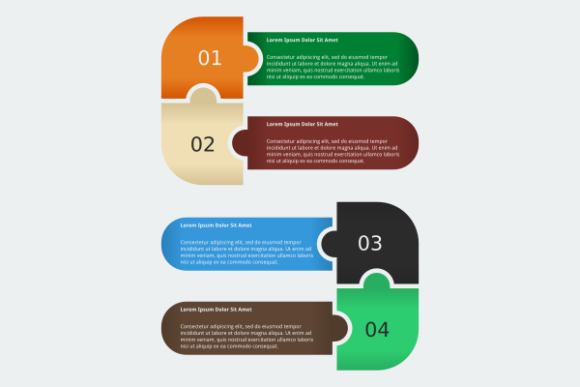
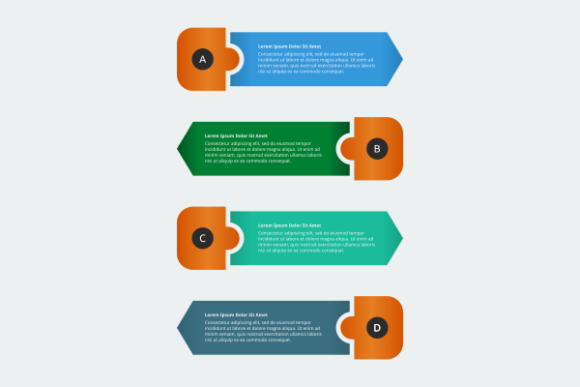
My initial reaction to the Bullets Puzzle Infographic Template was one of cautious optimism. Infographics are typically designed for screens or print, where fine lines and tiny text are standard. However, the "puzzle" aspect of this graphic immediately caught my eye. In the world of machine embroidery design, interlocking shapes are gold. They naturally suggest applique design techniques or distinct color blocks that prevent the muddy, over-dense stitching that plagues many converted graphics.
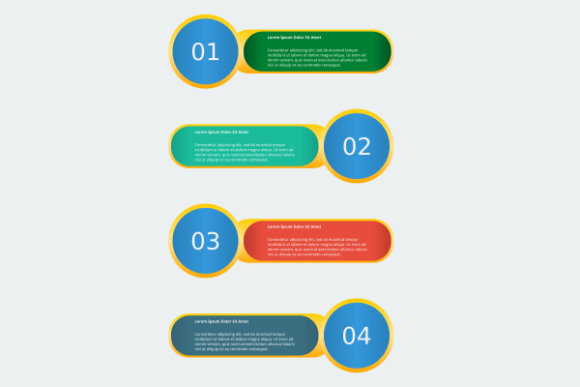
The visual mood is organized yet playful. It avoids the sterile look of corporate charts while maintaining enough professionalism for boutique branding. For a handmade product creator, this balance is essential. The bullet points serve as excellent anchors for customization, allowing you to swap generic icons for personalized elements without disrupting the overall composition. As a graphics asset, it is clean; as a potential embroidery project, it feels like a modern patch or chest logo waiting to happen.
Real-World Application: The Custom Tote Bag Test
To truly judge this template, I mentally prototyped it for a specific scenario: creating a line of custom tote bags for a local library’s summer reading program. Libraries need merchandise that feels educational but not boring. A standard book clipart is overused, but the Bullets Puzzle Infographic Template offered a sophisticated alternative.
In this real-life application, I envisioned each puzzle piece representing a different age group or genre, with the bullet points listing key program details. Because the template is best edited in Inkscape, I could easily adjust the scale to fit a 5x7 hoop size without losing proportion. For the tote bag design, the interlocking nature of the puzzle pieces allows for varied fabric textures within an applique framework. Imagine using denim for one piece and canvas for another, united by a satin stitch border. This transforms a flat infographic into a tactile experience. Customers at a craft fair respond to this level of detail because it elevates a simple promotional item into a keepsake. The structured layout ensures that even when loaded with information, the sweatshirt embroidery or bag decoration remains legible and aesthetically pleasing from a distance.
Navigating Fabric Limitations and Hoop Constraints
While the design is versatile, it requires strategic placement. Not every surface is friendly to infographic-style embroidery. I would exercise extreme caution when attempting this on curved surfaces like caps. The rigid geometry of puzzle pieces can distort on a curved brim unless significantly simplified. Similarly, stretchy fabrics like performance tees pose a risk; the precise alignment required for interlocking shapes can fail if the fabric shifts during stitching, resulting in gaps between the puzzle segments.
Small hoop sizes also demand editing. If you are working with a 4x4 hoop, you cannot simply shrink the entire Bullets Puzzle Infographic Template and expect clarity. You must isolate individual elements. Perhaps use just two interlocking pieces for a baby embroidery project on a onesie, rather than the full chart. Detailed corners and tiny lettering inherent in infographic styles often turn into thread nests on textured fabrics like terry cloth or fleece. For kitchen towels or nursery decor, simplify the bullet points into solid shapes or larger icons. Always remember that what looks crisp as a digital embroidery file on a monitor can become illegible once rendered in thread on pique knit or linen.
Elevating Product Value Through Visual Clarity
Using a structured template like this directly impacts perceived value. In the saturated market of Etsy sellers and small shop products, professionalism builds trust. A haphazardly digitized design screams amateur, whereas the deliberate geometry of this template suggests intentionality. When used for commercial embroidery, such as staff uniforms or branded merchandise, the clean lines communicate reliability.
Furthermore, this template enhances buyer engagement through customization. Because the bullets and puzzle pieces are distinct vector elements, they invite personalization. A customer ordering a personalized gift for a teacher might ask to change the bullet icons to apples, pencils, and books. This adaptability makes the design a high-value asset for your business. It also works beautifully for printable mockups. Before committing to stitching, you can present clients with a polished digital preview using the original SVG, securing approval and reducing wasted materials. This workflow bridges the gap between digital design assets and physical finished products seamlessly.
Critical Designer Notes for Successful Execution
Before you load this design into your machine, adhere to these practical guidelines to ensure professional results:
- Verify Licensing and Formats: Since this is sold as an editable SVG for Inkscape, confirm whether the license permits commercial embroidery use or if you need to purchase a separate digitizing license. Never assume a graphic asset includes embroidery rights.
- Test Stitch Density: Vector graphics do not contain stitch data. You must digitize this yourself or hire a digitizer. Check stitch density carefully; puzzle pieces should abut perfectly without overlapping excessively, which causes bulk.
- Stabilizer Selection is Non-Negotiable: For any garment or tote bag design featuring this level of geometric detail, use a high-quality cut-away stabilizer. Tear-away is rarely sufficient for maintaining the sharp edges of puzzle pieces.
- Contrast Checks: Test your thread colors against both light and dark fabric backgrounds. Infographic elements rely on contrast for readability. If stitching on dark fabric, consider adding a white underlay or running stitch outline to make the colors pop.
- Simplify Text: Avoid digitizing the tiny text often found in infographic templates. Replace text bullets with symbolic icons or embroider text separately in a larger, legible font size suitable for the intended viewing distance.
- Mockup First: Create a black and white mockup to evaluate value contrast before selecting thread colors. This ensures the hierarchy of information remains clear in monochrome, which is vital for accessibility and visual impact.
- Scrap Fabric Testing: Always run a test stitch-out on scrap fabric similar to your final project. Inspect the registration marks and corner alignment. Adjust pull compensation in your digitizing software if gaps appear between the puzzle segments.
The Bullets Puzzle Infographic Template represents a smart intersection of digital utility and craft potential. By respecting the limitations of thread and fabric while leveraging the template's inherent structure, makers can create distinctive, professional-grade embroidered goods that stand out in a crowded marketplace. Whether for a holiday gift, a boutique product line, or a custom client commission, this asset provides a solid foundation for creative entrepreneurship when approached with technical mindfulness.