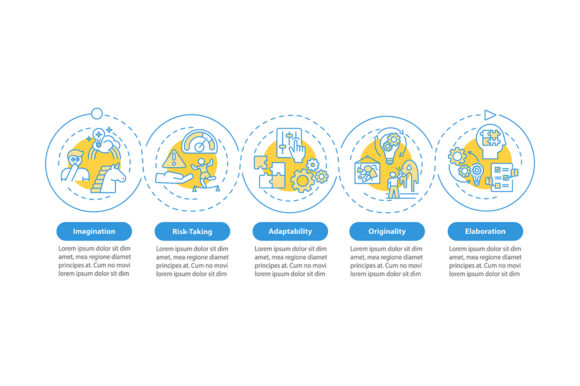
Creative Thinking Types Infographic for Embroidery
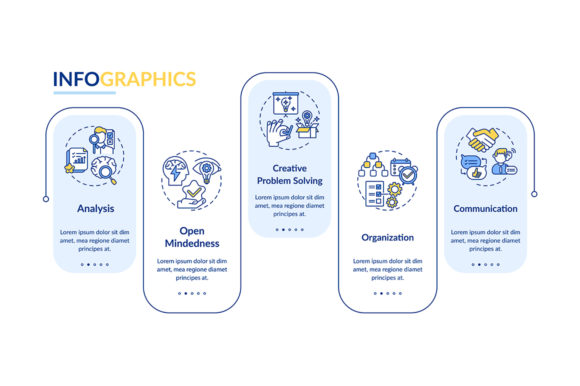
As a professional embroidery designer and product reviewer, I approach every new digital asset with a healthy dose of skepticism. When I first opened the ZIP file for the Creative Thinking Types Infographhic, my immediate thought was not about how pretty it looked on screen, but whether those clean vector lines would actually survive the transition from monitor to needle. We have all downloaded beautiful graphics that turned into thread nests or illegible blobs once stitched out. However, after analyzing the layout, linear icons, and five-step process timeline included in this template, I see genuine potential for specific commercial and personal applications, provided you understand its limitations as a machine embroidery design.
First Impressions: Vector Cleanliness Meets Stitch Reality
The visual personality of this infographic is undeniably modern. It features a structured workflow layout with linear icons that suggest clarity, logic, and professional analysis. For an Etsy seller or creative entrepreneur, this aesthetic communicates trust and organization. As a graphic, it is excellent. But as an embroidery file source, that same linearity presents both opportunities and challenges.
The "5 steps" data visualization format is ideal for storytelling on fabric, but the detail level requires careful translation. Linear icons often rely on thin strokes in vector art. In embroidery, these must be converted to running stitches or narrow satin stitches. My first impression is that this design will shine on stable, smooth fabrics where stitch registration can remain crisp. On textured surfaces, the delicate nature of infographic elements could get lost. The mood is intellectual and boutique-ready, making it feel less like a traditional craft pattern and more like a premium branding asset for custom apparel or business merchandise.
Real-World Application: Stitching a Workshop Tote Bag
To truly evaluate this asset, I mentally prototyped a project relevant to our community: a canvas tote bag designed for a creative workshop or corporate retreat. This is a common request for small shop owners and apparel decorators. The goal was to embroider the "Creative Thinking Types" process chart onto a natural cotton canvas tote as a participant gift.
In this scenario, the infographic’s timeline structure works beautifully along the horizontal axis of the bag. However, because tote bags are utilitarian, the design needs to withstand handling. I found that the linear icons in this template would need to be slightly bolded during digitization to prevent them from sinking into the canvas weave. The five-step layout allows for color coding each stage with distinct thread colors, which helps break up the visual density and makes the educational content readable from a distance. For this specific handmade product, the design elevates a basic accessory into a valuable resource, increasing the perceived value of the workshop itself. It transforms a simple tote bag design into a conversation piece about creativity.
Navigating Fabric Textures and Hoop Size Constraints
While the tote bag scenario is promising, there are environments where I would advise extreme caution. Infographics are inherently detailed, and Creative Thinking Types Infographhic is no exception. You must be realistic about where this design can live.
- Avoid Stretchy Fabrics: Do not attempt this complex workflow layout on jersey knits or lightweight t-shirts without significant modification. The tension required for multiple icon elements and connecting lines will distort stretchy fabric, ruining the alignment essential for an infographic.
- Watch the Small Hoop Sizes: If you are limited to a 4x4 hoop, this entire five-step chart will not fit legibly. You would need to isolate individual icons or steps. Trying to shrink the full timeline into a small area will result in tiny lettering that turns into unreadable thread clumps.
- Textured and Pile Fabrics: Terry cloth towels or fleece blankets are poor candidates for linear infographic details. The stitch density required to make lines visible on high-pile fabrics would make the design stiff and bulletproof, detracting from the softness of the baby embroidery or home decor item.
- Curved Surfaces: Cap embroidery is likely unsuitable for this specific horizontal timeline layout unless you significantly reconfigure the vector elements to arc correctly. Flat brims might work, but standard curved caps will distort the straight lines of the process chart.
Impact on Brand Consistency and Customer Trust
For digital product sellers and makers focusing on B2B or educational markets, visual consistency is currency. Using a cohesive set of graphics like this across sweatshirt embroidery, printed handouts, and social media printable mockups creates a unified brand experience. When a customer sees the same "Creative Thinking" visual language on your website and then receives it stitched professionally on a personalized gift or uniform, it reinforces professionalism.
However, poor execution destroys that trust faster than anything else. If the satin stitch borders are gapping or the fill stitch areas are puckering, the message of "creative thinking" ironically suggests a lack of technical forethought. High-quality stitching of this design signals that you respect both the art of embroidery and the intelligence of your audience. It bridges the gap between digital design assets and tangible craftsmanship, making your finished product feel intentional rather than generic.
Essential Designer Notes Before You Thread Up
Before you load this embroidery file into your machine for a commercial embroidery run or a client project, please adhere to these practical testing protocols. Since the product description specifies a vector template and ZIP file contents, verify the specific digitized formats before purchasing if you require pre-digitized files, or prepare your digitizing software if you are converting the vectors yourself.
- Test on Scrap Fabric First: Never stitch this complex layout directly onto a final product without a test run. Use a scrap of the exact fabric and stabilizer combination you plan to use for the final embroidered patch or garment.
- Evaluate Stabilizer Needs: Given the linear nature and potential text elements, a cut-away stabilizer is usually safer than tear-away for maintaining the geometric integrity of the timeline chart over time.
- Check Thread Color Contrast: Infographics rely on differentiation. Test your thread colors against both light and dark fabric backgrounds. A yellow line visible on navy might disappear completely on cream canvas. Ensure each of the five steps remains distinct.
- Inspect Small Details: Zoom in on your digital embroidery file preview. Are the icon interiors open enough to stitch cleanly? If the vector lines are thinner than 1mm, consider adding an underlay or widening the stitch path to prevent needle breaks and thread shredding.
- Verify Licensing: Confirm whether your purchase includes rights for selling finished physical products versus digital embroidery files. Many vector templates allow for physical merchandise sales but prohibit reselling the digitized file itself. Protect your craft business by knowing these terms.
- Mockup Validation: Create a black and white mockup before stitching. If the design reads clearly without color, your stitch definition is solid. If it looks muddy in grayscale, adjust your stitch density or spacing.
The Creative Thinking Types Infographhic is a sophisticated tool for the right maker. It offers a unique opportunity to bring analytical, structured aesthetics into the world of textile art. Whether you are creating custom apparel for a think tank, designing educational nursery decor, or branding your own creative studio, this template provides a strong foundation. Just remember that in embroidery, simplicity often stitches better than complexity. Respect the medium, test rigorously, and this graphic can become a standout element in your product lineup.