Ethical Dairy Production: An Embroidery Review
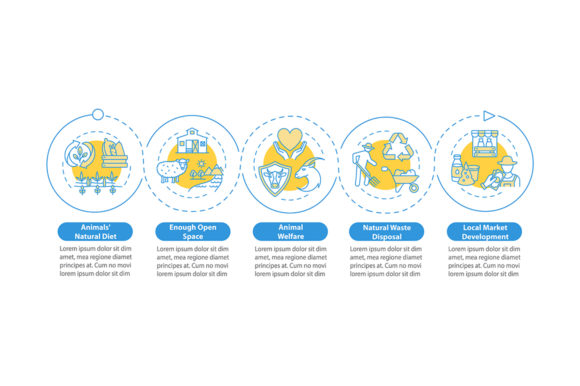
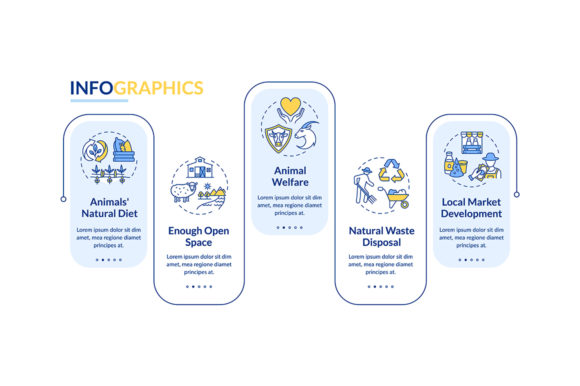
As a professional embroidery designer who constantly evaluates digital assets for real-world application, I approach every new graphic with a specific question: will this actually stitch well? When I first examined the Ethical Dairy Industry Production vector infographic template, my immediate reaction was one of cautious optimism. This design is categorized under Infographics and Graphics, typically intended for print or web presentation. However, for those of us in the custom apparel and handmade product space, the linear icons and five-step workflow layout present a unique opportunity for educational merchandise. The challenge lies in translating a data visualization meant for screens into a tangible machine embroidery design that retains clarity on fabric.
Translating Vector Data to Stitched Reality
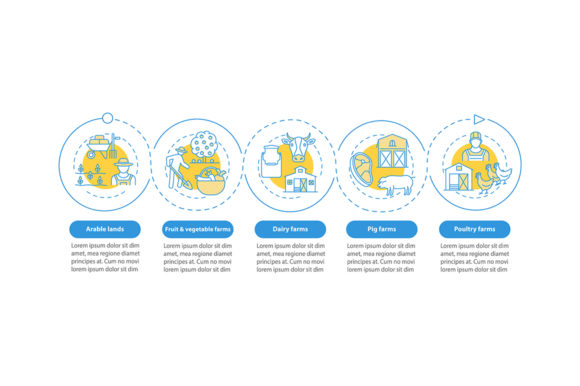
The visual personality of Ethical Dairy Industry Production is clean, structured, and informative. It features a process timeline chart with farm manufacture presentation design elements. For an embroidery project, this structure is both a blessing and a hurdle. The linear icons are excellent candidates for running stitch or light satin stitch outlines, which keeps the stitch count manageable. However, because this is originally a vector template, you must verify if the provided embroidery file has been properly digitized for textile use. Vectors do not account for fabric push-and-pull distortion. If you are using this for a tote bag design or sweatshirt embroidery, the five distinct steps need adequate spacing. Crowding these elements to fit a standard hoop size can result in a dense, stiff area that detracts from the garment's drape and comfort.
Real-World Application: The Sustainable Market Tote
To truly evaluate this asset, I mentally prototyped it for a specific scenario: creating branded merchandise for a local organic dairy cooperative. They needed a reusable canvas tote bag that explained their ethical milking and bottling process to customers at a farmers market. In this context, the Ethical Dairy Industry Production design serves as more than decoration; it is a communication tool. On a natural canvas tote bag, the workflow layout provides a logical visual flow. I envision the five steps arranged horizontally across the center of the bag. Using a dark green thread for the linear icons against the unbleached fabric creates high contrast and reinforces the eco-friendly theme. This application transforms a standard infographic into a storytelling element on a functional handmade product.
For this specific project, the design’s value lies in its ability to build customer trust. Shoppers at craft fairs and boutique markets appreciate transparency. A well-executed embroidered patch or direct embroidery that visualizes ethical standards adds perceived value to the finished product. It signals professionalism and brand consistency that generic clipart cannot achieve. However, this success depends entirely on execution. If the text within the timeline is too small to read after stitching, the educational value is lost, and the design becomes mere texture rather than information.
Navigating Fabric Constraints and Technical Limits
While the concept is strong, practical application requires careful consideration of where this design should not be used. The detailed nature of a five-step process timeline makes it unsuitable for curved surfaces like caps or hats. The linear alignment will distort on a rounded brim, breaking the visual logic of the workflow. Similarly, I would advise against using this complex layout on stretchy fabrics like lightweight jersey or ribbed knits without significant modification. The stabilizer required to prevent puckering on such fabrics might make the area too rigid for comfortable baby embroidery or fitted custom apparel.
Furthermore, consider the scale. Infographics rely on legibility. If you attempt to shrink Ethical Dairy Industry Production down to fit a 4x4 hoop size for a pocket logo or baby bib, the internal details of the farm manufacture icons will likely merge. Tiny lettering in data visualization templates rarely survives the digitizing process intact at small scales. For smaller projects, I recommend isolating just one or two of the linear icons rather than forcing the entire timeline. This preserves stitch clarity and ensures the design remains recognizable. Always check the minimum recommended hoop size before purchasing or stitching to avoid wasting materials on an unreadable result.
Critical Designer Notes for Commercial Success
Before listing any item featuring this design on Etsy or your own shop, rigorous testing is non-negotiable. As an experienced reviewer, I cannot stress enough the importance of sewing out a test sample on scrap fabric that matches your final product weight. Check the stitch density specifically in the icon corners and connecting lines. If the design uses heavy fill stitch where a running stitch would suffice, edit the digital embroidery file to reduce bulk. Excessive density leads to needle breaks and fabric damage, especially on tea towels or kitchen linens that require frequent washing.
- Contrast Testing: View your mockups in black and white. If the five steps aren't distinguishable without color, the design relies too heavily on thread color rather than structural definition.
- Stabilizer Selection: For woven fabrics like canvas or denim, use a medium-weight cutaway or tear-away stabilizer. For the timeline connectors, a water-soluble topping can prevent stitches from sinking into textured fabric.
- Licensing Verification: Confirm whether the license allows for commercial embroidery on physical products versus just digital resale. Many infographic templates restrict usage to print media, so verify your rights before selling finished goods.
- Thread Color Strategy: Limit your palette. While the vector may use ten colors, a successful embroidery project often looks best with three to four coordinated thread colors to maintain a cohesive handmade aesthetic.
Elevating Brand Value Through Intentional Design
When executed correctly, Ethical Dairy Industry Production offers something rare in the embroidery market: functional education. Most embroidery designs are purely decorative. This asset bridges the gap between aesthetic appeal and informational utility, making it ideal for niche businesses focused on sustainability, agriculture, or artisanal food production. Whether you are creating holiday gifts for industry partners, personalized aprons for farm staff, or educational nursery decor for a farming family, the design carries a narrative weight that resonates with specific audiences.
Ultimately, the success of using an infographic template for embroidery depends on respecting the medium. Do not treat the fabric as a flat screen. Respect the grain, the stretch, and the limitations of thread. By adapting the Ethical Dairy Industry Production layout to suit textile realities—perhaps by simplifying the timeline or enlarging key icons—you create a product that is not only visually striking but also durable and readable. For the creative entrepreneur willing to put in the digitizing refinement work, this design represents a sophisticated addition to a commercial embroidery portfolio, distinguishing your offerings from generic, mass-produced alternatives. Always prioritize stitch quality over complexity, and your customers will recognize the difference in the final handmade product.