Innovative Agriculture Tech: An Embroidery Review
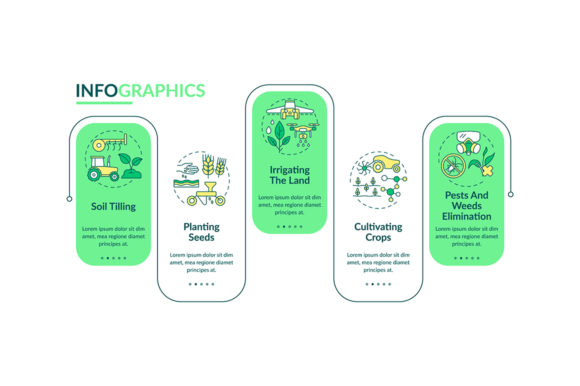
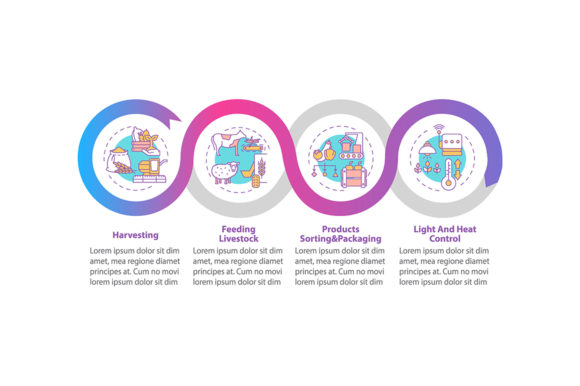
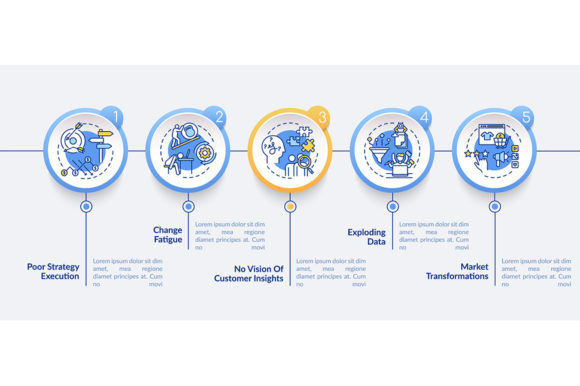
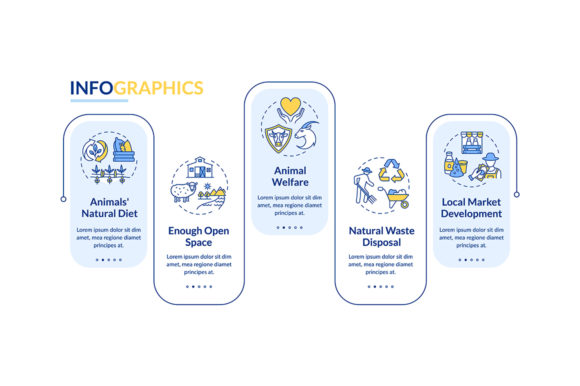
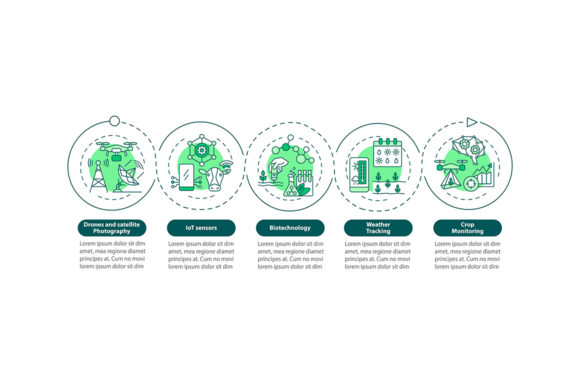
As a professional embroidery designer and product reviewer, I approach every new digital asset with a specific question: will this actually stitch out cleanly on fabric? When I first opened the Innovative Agriculture Technology vector infographic template, my immediate reaction was one of cautious optimism. The design features a sophisticated five-step process timeline chart with linear icons and farm crop presentation elements. Visually, it is crisp, modern, and highly organized. However, translating complex data visualization from a screen to a textile requires more than just converting a file format; it demands an understanding of how thread interacts with structure.
This review evaluates this graphics package not merely as a digital download, but as a potential foundation for real-world embroidery projects. Whether you are an Etsy seller creating niche merchandise or a commercial embroiderer handling corporate ag-tech branding, understanding the practical limitations and strengths of this design is essential before you hoop your first piece of fabric.
First Impressions: From Screen to Stitch
The mood of Innovative Agriculture Technology is undeniably professional yet organic. It bridges the gap between high-tech data and natural growth, which is a challenging aesthetic to capture in needlework. The linear icons suggest a clean, minimalist style that typically translates well to machine embroidery, provided the lines are thick enough to support a satin stitch or a heavy running stitch. The five-step workflow layout offers a natural horizontal or vertical progression, making it ideal for structured garments or rectangular home goods.
However, because this originates as an infographic template, the detail level is likely higher than what standard embroidery digitizing prefers. Infographics often rely on thin lines and small text to convey information density. As an experienced reviewer, I see this as a "high-reward, high-maintenance" design asset. It has immense potential for custom apparel and boutique branding, but it cannot be treated as a simple plug-and-play embroidery file without careful evaluation of stitch density and scale.
Real-World Application: The Ag-Tech Tote Bag Test
To truly evaluate this design, let’s apply it to a realistic scenario. Imagine a client requests a branded canvas tote bag for an agricultural technology conference. They want the five-step process timeline visible on the front panel. This is where Innovative Agriculture Technology shines conceptually, but challenges us technically.
A tote bag provides a stable, non-stretchy surface, which is perfect for maintaining the geometric integrity of a workflow layout. In this context, the linear icons can serve as excellent applique design foundations or dense fill stitch areas. If I were producing this handmade product, I would utilize the timeline aspect to create a visual narrative across the bag. The crop presentation elements could be rendered in variegated greens and earth tones to soften the technical feel, while the data visualization components remain in stark navy or charcoal to maintain professionalism.
For an Etsy seller or small shop owner, this application adds significant value. A generic flower embroidery is common; a stylized, tech-forward agriculture graphic targets a specific, underserved niche. It transforms a standard tote bag design into a specialized industry tool. However, success depends entirely on resizing the infographic elements to fit the hoop size without losing clarity. If the steps are too compressed, the finished product will look muddy rather than innovative.
Navigating Technical Limitations and Fabric Choices
While the design is versatile, there are specific environments where Innovative Agriculture Technology requires extreme caution. Because infographics prioritize information over texture, they often contain small lettering and intricate connecting lines. These are the enemies of textured fabrics like terry cloth or fleece. If you attempt this sweatshirt embroidery on a heavy hoodie, the fine details of the process timeline chart may sink into the pile, rendering the data visualization illegible.
I would also advise against using this design on stretchy performance wear or thin baby clothes unless significant modifications are made. The linear nature of the workflow layout lacks the flexibility needed for curved surfaces like caps or sleeves. On a cap, the straight lines of the timeline would distort, breaking the visual logic of the five steps. Similarly, for baby embroidery, the complexity is simply unnecessary and potentially uncomfortable against sensitive skin. This design is best reserved for flat, stable substrates such as twill aprons, canvas pillow covers, tea towels, or structured polo shirts.
Furthermore, consider the washing requirements. If this is intended for a kitchen towel or apron that will face frequent laundering, ensure the stitch density is sufficient to prevent fraying. Thin running stitches used to mimic vector lines in the original graphics may not survive industrial washing. You may need to convert those delicate connectors into slightly wider satin stitches or reinforce them with additional underlay.
Impact on Brand Value and Customer Perception
Using a specialized asset like Innovative Agriculture Technology signals competence. For creative entrepreneurs and apparel decorators, moving away from generic clip art toward structured, purposeful design elevates the perceived value of the finished product. When a customer sees a clean, well-executed representation of agricultural tech, they trust the maker understands their industry. This is particularly true for commercial embroidery projects where brand consistency is paramount.
The visual appeal of this design lies in its balance. It avoids the clutter that plagues many tech-themed embroideries while retaining enough detail to be interesting. For digital product sellers offering printable mockups or design assets, showcasing this template stitched out on appropriate merchandise demonstrates versatility. It proves that data visualization can be tactile and warm, expanding the market for both the digital file and the physical embroidered patch or garment.
Critical Designer Notes for Success
Before you commit this design to a final project, adhere to these practical guidelines derived from professional experience:
- Verify File Specifications: Since this is sold as a ZIP containing vector templates, confirm whether it includes pre-digitized embroidery files or requires you to digitize from scratch. Never assume compatibility with your machine without checking.
- Test Stitch Density: Always run a test stitch-out on scrap fabric identical to your final project. Check if the linear icons are too dense (causing puckering) or too sparse (lacking definition).
- Evaluate Text Legibility: If the five-step chart includes text, measure the height after resizing. Any text smaller than 6mm usually fails in embroidery. You may need to simplify the wording or remove labels entirely, relying on the icons to tell the story.
- Contrast is Key: Test the design in black and white mockups before choosing thread colors. If the design doesn't read clearly in grayscale, changing thread colors won't fix it. Ensure high contrast between the crop elements and the background fabric.
- Stabilizer Selection: For stable fabrics like canvas, use a medium-weight cutaway stabilizer to support the timeline structure. For lighter fabrics, a tear-away may suffice, but only if the design isn't overly dense.
- Licensing Check: Before selling any personalized gift or commercial product featuring this design, thoroughly review the license terms included in the ZIP. Ensure you have the right to sell finished items or modified digital embroidery files.
Innovative Agriculture Technology is a powerful tool for the discerning maker. It offers a unique opportunity to merge the precision of data with the warmth of handcrafted textiles. By respecting the technical constraints of embroidery and applying this design to appropriate products, you can create standout pieces that resonate deeply with the modern agricultural community. Approach it with patience, test rigorously, and let the quality of your craftsmanship bring this digital infographic to life.